Frequently Asked Questions about Analogs / Digital Analogs
What Are Implant Analogs Used For?
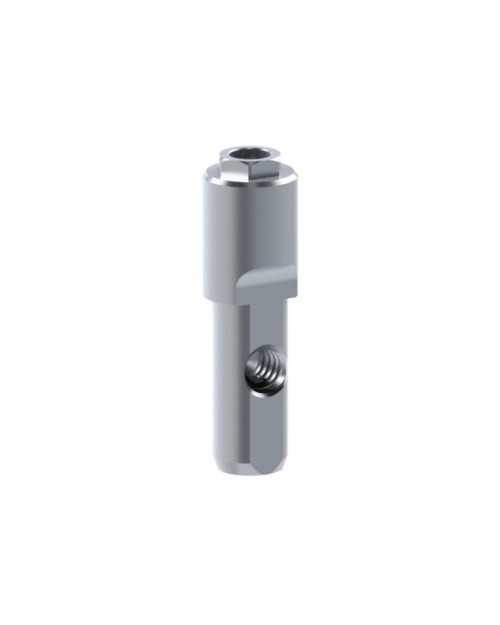
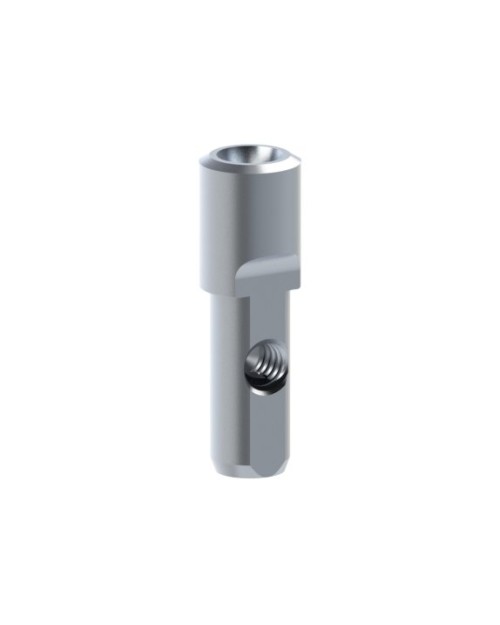
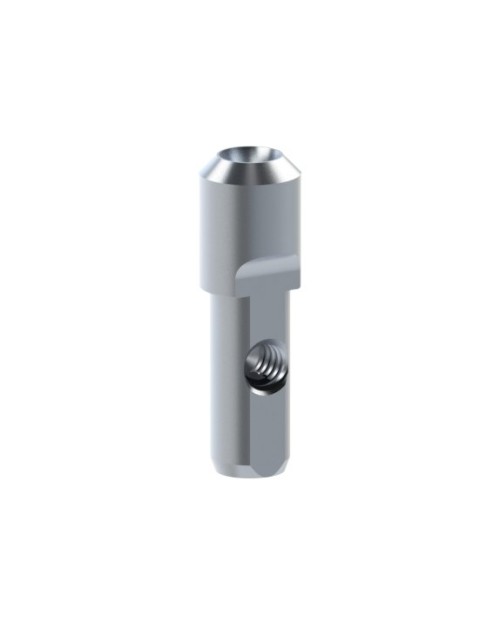
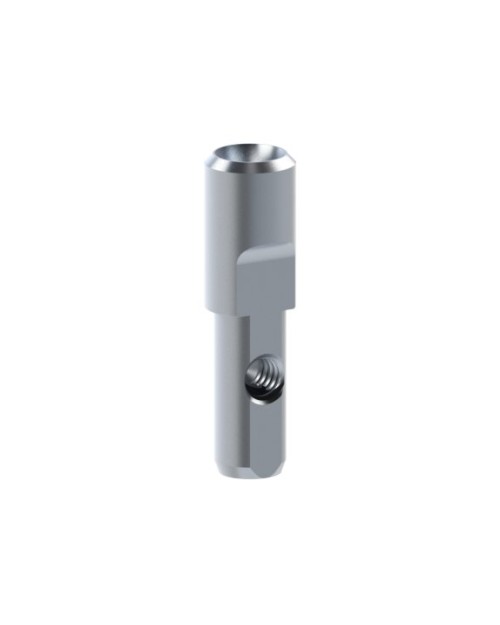
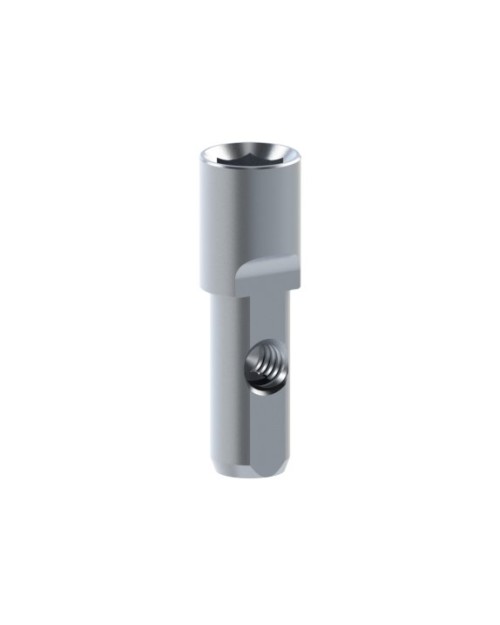
An analog for implant acts as a cornerstone component in any dental laboratory. Acting as a dependable abutment analog, its primary role is to accurately duplicate the implant-abutment connection within stone or digital models. This empowers dental technicians to flawlessly simulate the exact clinical position needed to fabricate the final prosthesis. By seamlessly matching both the angulation and the implant platform, IPD analogs guarantee that every restoration is designed with outstanding occlusion and a precision fit. Engineered with micron-level accuracy, our dental implant analogs deliver consistent, reliable results across both traditional casting and advanced digital workflows. Whether you are managing standard crown and bridge cases or tackling complex full-arch restorations with our digital components, these essential parts optimize lab efficiency. Ultimately, they drastically minimize the time needed for chairside adjustments—even when navigating the most intricate multi unit analog cases.
Types of Analog Abutments Available
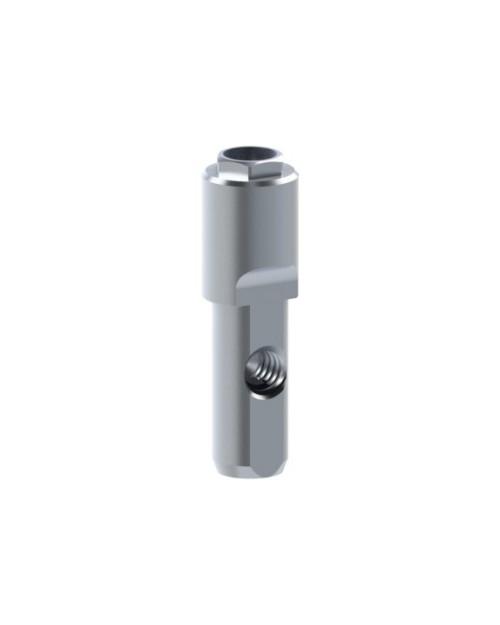
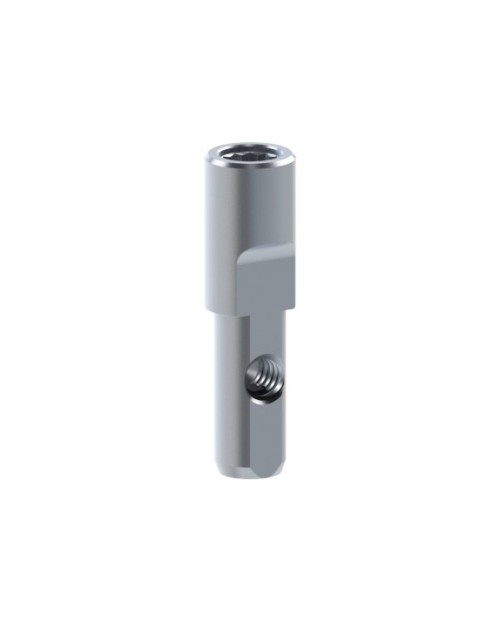
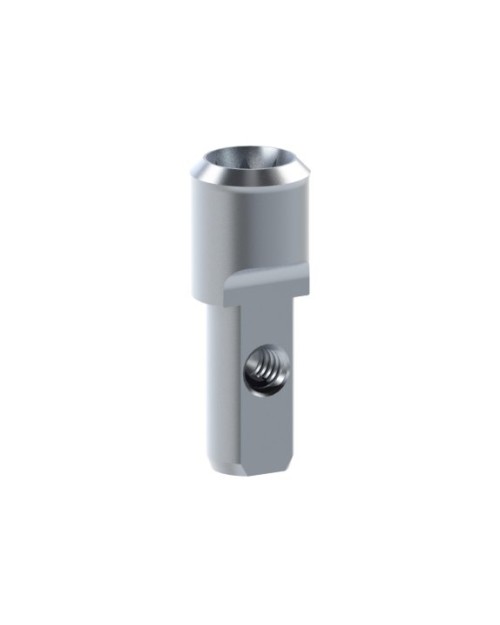
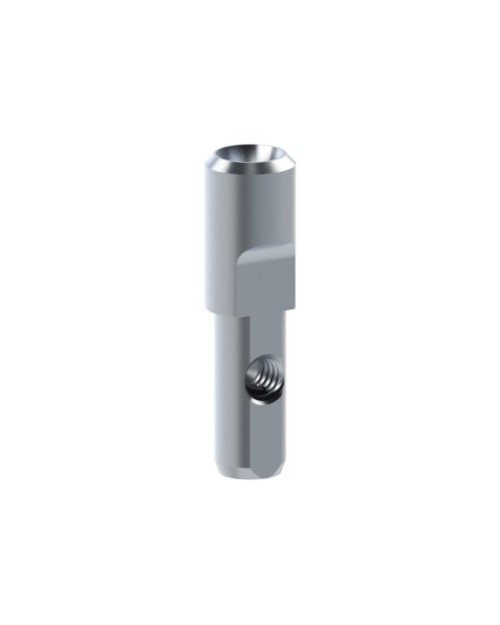
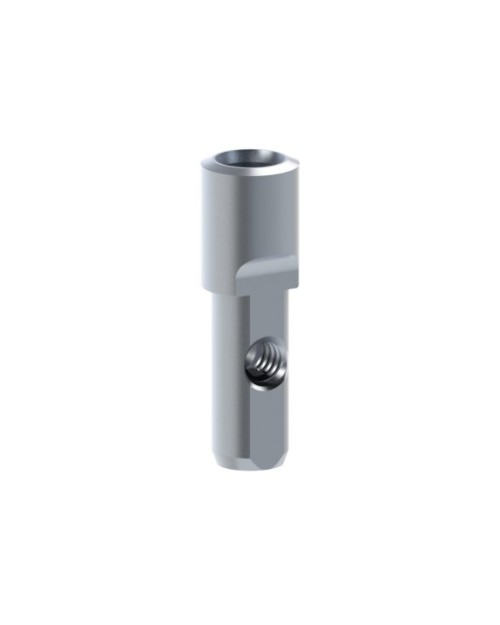
We offer versatile options engineered specifically to meet your lab's diverse needs. Every analog implant is laser-marked for instant identification and is readily available in various lengths and platform types. Standard Implant Analog: Designed to accurately replicate the connection geometry within traditional stone models across a wide range of implant platforms. Digital Analog: These components are optimized exclusively for digital model printing. These digital implant analogs mirror the precise connection geometry of their corresponding digital abutments, enabling highly accurate model fabrication for CAD/CAM workflows. Each analog is laser-marked for easy identification, with options available in different lengths and platform types.
Materials, Precision, and Compatibility of Our Analog Abutments
Uncompromising stability and validated accuracy define our line of implant analogs. Engineering for Accuracy (±5 µm). All IPD analog implants are machined from high-grade stainless steel. We adhere strictly to exact implant platform specifications, utilizing tight tolerances. This rigorous approach guarantees an accurate simulation of the implant-abutment interface every single time. Anti-rotational Geometry: Both digital and standard analogs incorporate anti-rotational geometries and platform-specific indexing. This supports precise seating and ensures exceptional angular stability during model work. Workflow Versatility: Our analogs are fully compatible with both traditional impression techniques and contemporary digital scanning workflows. Software Compatibility: We support seamless integration into your digital design process by providing downloadable libraries for all major CAD software platforms. Certified Quality: Our production adheres to the stringent ISO 13485 and ISO 9001 standards. Furthermore, all our analogs are CE-marked, providing consistency and reproducibility you can trust.
Implant Analogs: Bridging Traditional and Digital Dentistry
Choosing a high-quality abutment analog provides tangible advantages for both clinicians and dental technicians. By accurately replicating the implant connection, dental implant analogs ensure restorations are fabricated with the exact fit required for clinical success. The result is less chair time and a better, more comfortable experience for the patient. This attention to quality assures you of three core benefits: Workflow efficiency: Complex lab procedures, from single crowns to extensive full-arch cases, are simplified and accelerated. Accuracy: We maintain perfect angulation and platform geometry, guaranteeing reliable and predictable restorative results. Digital Integration: Our digital implant analogs are custom-engineered to integrate seamlessly with CAD/CAM software and 3D printing systems. This allows labs to produce highly accurate 3D-printed models and verify precise alignment with intraoral scan data. Using high-quality implant analogs helps dental teams save time, improve patient comfort, and achieve better restorative outcomes.
How Implant Analogs Support Digital Dentistry
Modern restorative workflows rely heavily on dental digital technologies, and in today's implant digital era, analogs play a key role in this transformation. CAD/CAM compatible analog implant solutions are specifically engineered to integrate with digital design software and 3D printing systems. With digital implant analogs, laboratories can: Produce accurate 3D-printed models for crown, bridge, and full-arch restorations. Ensure precise alignment with intraoral scans using scan bodies and a digital abutment workflow. Maintain tight tolerances for reliable seating and fit, even in complex multi-unit cases. By bridging the gap between intraoral scanning and lab fabrication, every dental analog supports faster, more predictable digital dentistry. They provide technicians with the tools to deliver restorations that are both functional and highly esthetic.
Trust and Quality: Why Choose IPD Analogs in the USA?
Our dedication to quality is backed by more than two decades specializing in prosthetic abutment manufacturing, positioning IPD as the trusted choice for digital dentistry professionals. Our team actively collaborates with renowned specialists, ensuring our innovative designs meet the highest possible standards for functionality and precision. IPD analog implant components are manufactured under strict ISO 13485 standards and are CE-marked, which collectively guarantees reliability and reproducibility for your most critical procedures. For US clinics and labs, we ensure prompt logistics and dedicated support, delivering this proven quality and precision directly to your location.
What Are Implant Analogs Used For?
An analog for implant acts as a cornerstone component in any dental laboratory. Acting as a dependable abutment analog, its primary role is to accurately duplicate the implant-abutment connection within stone or digital models. This empowers dental technicians to flawlessly simulate the exact clinical position needed to fabricate the final prosthesis. By seamlessly matching both the angulation and the implant platform, IPD analogs guarantee that every restoration is designed with outstanding occlusion and a precision fit.
Engineered with micron-level accuracy, our dental implant analogs deliver consistent, reliable results across both traditional casting and advanced digital workflows. Whether you are managing standard crown and bridge cases or tackling complex full-arch restorations with our digital components, these essential parts optimize lab efficiency. Ultimately, they drastically minimize the time needed for chairside adjustments—even when navigating the most intricate multi unit analog cases.
Types of Analog Abutments Available
We offer versatile options engineered specifically to meet your lab's diverse needs. Every analog implant is laser-marked for instant identification and is readily available in various lengths and platform types.
-
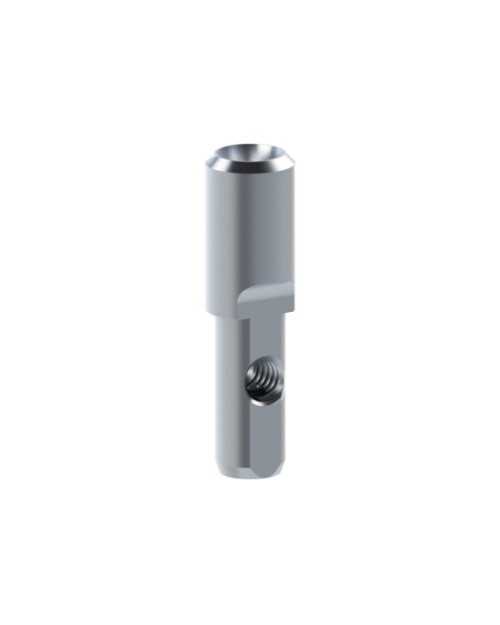
Standard Implant Analog: Designed to accurately replicate the connection geometry within traditional stone models across a wide range of implant platforms.
-
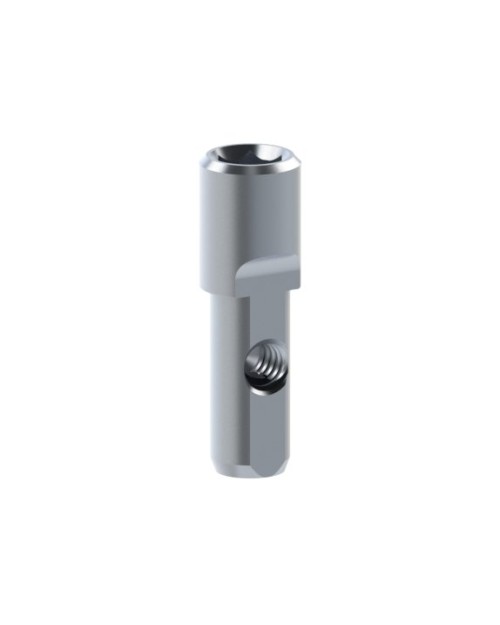
Digital Analog: These components are optimized exclusively for digital model printing. These digital implant analogs mirror the precise connection geometry of their corresponding digital abutments, enabling highly accurate model fabrication for CAD/CAM workflows.
Each analog is laser-marked for easy identification, with options available in different lengths and platform types.
Materials, Precision, and Compatibility of Our Analog Abutments
Uncompromising stability and validated accuracy define our line of implant analogs. Engineering for Accuracy (±5 µm). All IPD analog implants are machined from high-grade stainless steel. We adhere strictly to exact implant platform specifications, utilizing tight tolerances. This rigorous approach guarantees an accurate simulation of the implant-abutment interface every single time.
- Anti-rotational Geometry: Both digital and standard analogs incorporate anti-rotational geometries and platform-specific indexing. This supports precise seating and ensures exceptional angular stability during model work.
- Workflow Versatility: Our analogs are fully compatible with both traditional impression techniques and contemporary digital scanning workflows.
- Software Compatibility: We support seamless integration into your digital design process by providing downloadable libraries for all major CAD software platforms.
- Certified Quality: Our production adheres to the stringent ISO 13485 and ISO 9001 standards. Furthermore, all our analogs are CE-marked, providing consistency and reproducibility you can trust.
Implant Analogs: Bridging Traditional and Digital Dentistry
Choosing a high-quality abutment analog provides tangible advantages for both clinicians and dental technicians. By accurately replicating the implant connection, dental implant analogs ensure restorations are fabricated with the exact fit required for clinical success. The result is less chair time and a better, more comfortable experience for the patient.
This attention to quality assures you of three core benefits:
- Workflow efficiency: Complex lab procedures, from single crowns to extensive full-arch cases, are simplified and accelerated.
- Accuracy: We maintain perfect angulation and platform geometry, guaranteeing reliable and predictable restorative results.
- Digital Integration: Our digital implant analogs are custom-engineered to integrate seamlessly with CAD/CAM software and 3D printing systems. This allows labs to produce highly accurate 3D-printed models and verify precise alignment with intraoral scan data.
Using high-quality implant analogs helps dental teams save time, improve patient comfort, and achieve better restorative outcomes.
How Implant Analogs Support Digital Dentistry
Modern restorative workflows rely heavily on dental digital technologies, and in today's implant digital era, analogs play a key role in this transformation. CAD/CAM compatible analog implant solutions are specifically engineered to integrate with digital design software and 3D printing systems.
With digital implant analogs, laboratories can:
- Produce accurate 3D-printed models for crown, bridge, and full-arch restorations.
- Ensure precise alignment with intraoral scans using scan bodies and a digital abutment workflow.
- Maintain tight tolerances for reliable seating and fit, even in complex multi-unit cases.
By bridging the gap between intraoral scanning and lab fabrication, every dental analog supports faster, more predictable digital dentistry. They provide technicians with the tools to deliver restorations that are both functional and highly esthetic.
Trust and Quality: Why Choose IPD Analogs in the USA?
Our dedication to quality is backed by more than two decades specializing in prosthetic abutment manufacturing, positioning IPD as the trusted choice for digital dentistry professionals. Our team actively collaborates with renowned specialists, ensuring our innovative designs meet the highest possible standards for functionality and precision.
IPD analog implant components are manufactured under strict ISO 13485 standards and are CE-marked, which collectively guarantees reliability and reproducibility for your most critical procedures. For US clinics and labs, we ensure prompt logistics and dedicated support, delivering this proven quality and precision directly to your location.
Explore other abutment categories
Temporary Abutments | Denture Attachments | Healing Abutments | Scan Bodies Abutments | Multi-Unit Abutments | Custom Ti-Base Abutments | Screws | Tools & Screwdrivers | ScanLogiQ